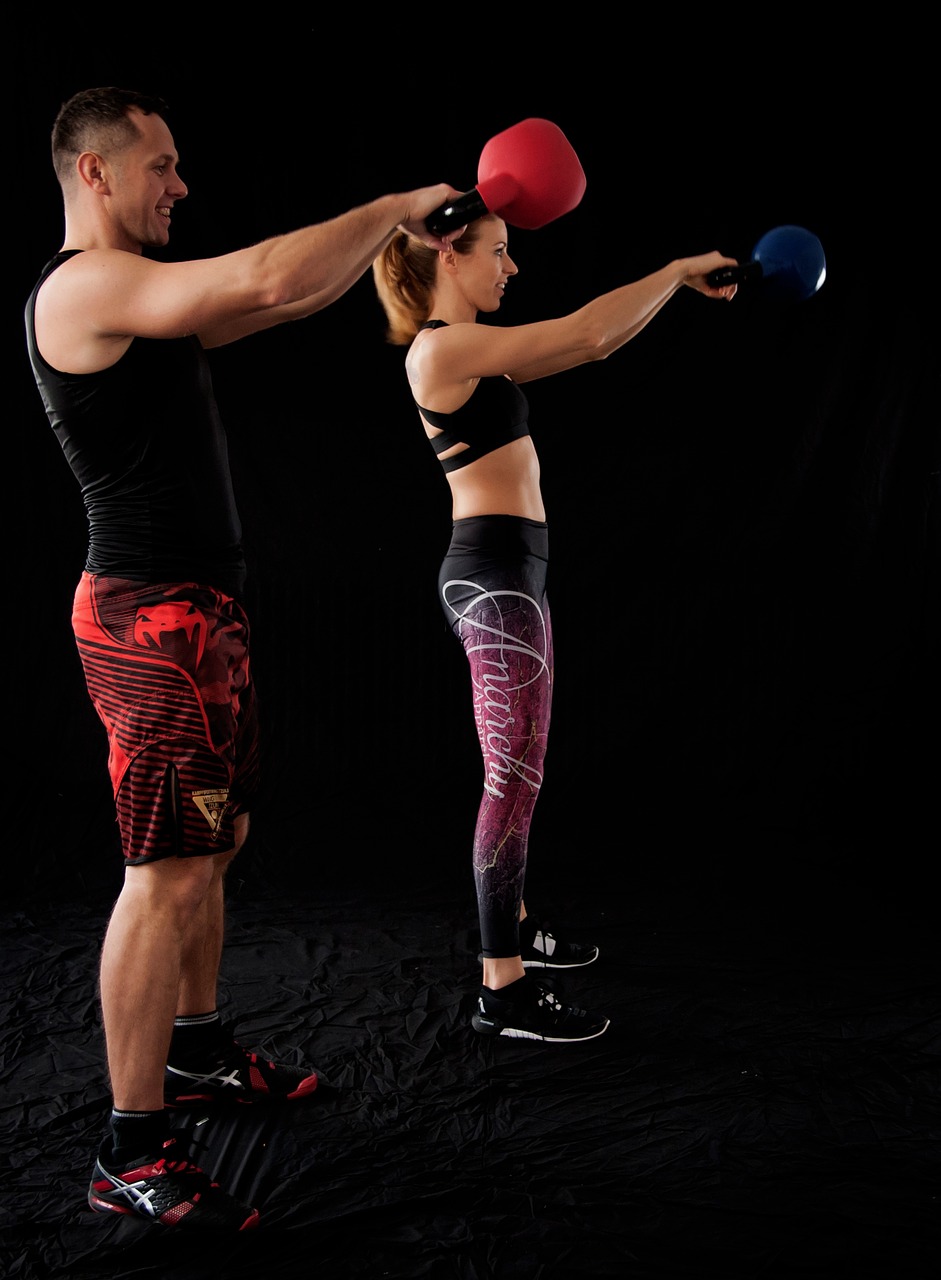
Kettlebell training, a dynamic and versatile approach to weight training, has gained widespread popularity for its remarkable benefits. Unlike traditional weights such as dumbbells, barbells, and machines, kettlebells offer a unique combination of strength, flexibility, and cardiovascular training.
This versatile tool, with its distinctive shape and weight distribution, allows for a wide range of movements that can target multiple muscle groups simultaneously.
For many, kettlebells represent a more efficient and functional method of weight training, integrating the benefits of various types of traditional weight equipment into one compact and adaptable tool. This discussion delves into the multifaceted advantages of using kettlebells, highlighting why they might be a superior choice for a comprehensive weight training regimen.
- Enhanced Functional Strength
- Whole Body Conditioning
- Improved Grip Strength
- Increased Core Stability and Balance
- Greater Range of Motion
- Versatility and Variety
- Enhances Cardiovascular Fitness
- Compact and Portable
- Burns More Calories in Less Time
- Improves Posture and Alignment
- Joint Health and Mobility
- Builds Explosive Power
- Safe for All Ages and Fitness Levels
- Combines Strength and Endurance Training
- Mental Engagement
- Conclusion

Enhanced Functional Strength
Kettlebells are excellent tools for enhancing functional strength, which refers to the ability to perform real-life activities with ease. Unlike traditional weights, kettlebells involve a combination of lifting, pulling, and pushing movements that mimic everyday actions.
For example, the kettlebell swing, a fundamental kettlebell exercise, simulates the motion of bending and lifting, engaging muscles in a way that mirrors picking up objects from the ground.
Incorporating kettlebell exercises like the Turkish get-up and goblet squats into your routine can improve your overall functional fitness, making daily tasks like carrying groceries, lifting heavy objects, or even playing with your kids easier and safer.
These exercises not only strengthen major muscle groups but also enhance coordination, agility, and endurance, contributing to better overall physical performance and injury prevention in daily life.
Whole Body Conditioning
Kettlebells are uniquely designed to provide whole-body conditioning. This is due to their weight distribution, which requires the engagement of multiple muscle groups to maintain balance and control during exercises.
A kettlebell workout typically involves a range of compound movements, such as the kettlebell clean and press or the kettlebell snatch. These movements engage everything from your legs and glutes to your core, arms, and shoulders, offering a full-body workout in a single session.
This holistic approach to conditioning ensures balanced muscle development and reduces the risk of muscle imbalances that can occur from isolated exercises.
Whole body conditioning with kettlebells is not only efficient, saving time by working multiple areas at once, but also highly effective in building muscle endurance, improving overall strength, and enhancing athletic performance.
Improved Grip Strength
The design of a kettlebell, particularly its thick handle, naturally enhances grip strength. Grip strength is crucial not just for lifting heavier weights but also for everyday activities like opening jars or carrying bags.
Regular kettlebell training, with exercises like farmer’s walks, kettlebell swings, or high pulls, requires you to hold onto the kettlebell firmly, thus strengthening the muscles in your hands, wrists, and forearms. Improved grip strength also has a positive impact on other areas of your workout, enhancing your ability to perform exercises like deadlifts or pull-ups more effectively.
Additionally, having a strong grip can reduce the risk of injuries in sports that rely heavily on hand strength, such as rock climbing or martial arts. Incorporating kettlebell workouts into your routine can therefore lead to noticeable improvements in both your gym performance and daily functional tasks. Dumbbells make for great workouts too!

Increased Core Stability and Balance
Kettlebell exercises are particularly effective for increasing core stability and balance. This is due to the off-center weight distribution of the kettlebell, which requires constant engagement of the core muscles to maintain balance during movements.
Exercises like the windmill, kettlebell get-ups, and single-arm swings challenge your stability by introducing a dynamic element that engages multiple stabilizing muscles in the core, hips, and lower back. This dynamic nature of kettlebell training not only strengthens the core but also improves overall balance and body control.
Stronger core muscles are crucial for better posture, reduced back pain, and enhanced performance in both sports and daily activities. Integrating kettlebell exercises into your fitness routine can therefore be a highly effective way to develop a stronger, more stable core and improve your balance and coordination. It’s a great benefit that makes the kettlebell a solid part of any strength trainign plan.
Greater Range of Motion
The unique shape of kettlebells allows for a greater range of motion compared to traditional weights like dumbbells or barbells. This increased flexibility is particularly evident in exercises like kettlebell swings, snatches, and squats.
For example, the kettlebell swing enables a full hip extension and flexion, working the glutes, hamstrings, and core more effectively than many other exercises. Similarly, kettlebell snatches require a full body movement that stretches and works the shoulders, back, and hips extensively.
This enhanced range of motion not only leads to more effective muscle engagement and growth but also improves overall joint flexibility and mobility. Regular kettlebell training can therefore be particularly beneficial for anyone looking to increase their flexibility and mobility, which are key components of overall fitness and injury prevention.
Versatility and Variety
The versatility of kettlebells is one of their most appealing features. They can be used for a wide range of exercises that target different muscle groups, making them suitable for various workout routines. Whether you’re looking to build strength, improve endurance, enhance flexibility, or work on balance, kettlebells can be incorporated into your training program.
Exercises range from basic movements like kettlebell swings and goblet squats to more complex ones like the Turkish get-up and the kettlebell clean and jerk. Thanks to this variety, it’s great for beginners.
This variety not only keeps your workouts interesting and challenging but also ensures a more balanced and comprehensive fitness regime. Additionally, kettlebells can be used for both low-rep, strength-focused training and high-rep, endurance-focused workouts, making them adaptable to different fitness goals and levels.

Enhances Cardiovascular Fitness
Kettlebell exercises are known for their ability to enhance cardiovascular fitness. Many kettlebell routines involve dynamic movements that can be performed in high-intensity intervals, providing both strength training and cardiovascular benefits.
For instance, a kettlebell swing or snatch workout, done at a high intensity with minimal rest, can elevate your heart rate similarly to sprinting or HIIT (High-Intensity Interval Training).
This combination of cardiovascular and strength training increases your overall endurance and heart health, and also promotes efficient calorie burn. Moreover, the cardiovascular benefits gained from kettlebell training can improve your performance in other aerobic activities and sports, making it a valuable addition to any fitness program.
Compact and Portable
One of the key advantages of kettlebells is their compactness and portability. Unlike many other pieces of gym equipment that are bulky and stationary, kettlebells occupy very little space and can be easily transported.
This makes them ideal for home gyms, outdoor workouts, or even for those who travel frequently but wish to maintain their fitness routinem, unlike a piece of equipment like the smith machine.
Having a kettlebell or two at home means you can effectively work on strength, flexibility, and cardiovascular fitness without the need for a lot of space or expensive equipment. This accessibility makes it easier to fit workouts into a busy schedule, ensuring that you can maintain your fitness regime consistently, regardless of your location or available space.
Burns More Calories in Less Time
Kettlebell workouts are renowned for their efficiency in burning calories. Due to the high-intensity nature of many kettlebell exercises, such as swings, snatches, and cleans, you can burn a significant number of calories in a relatively short period.
This intensity results from the combination of cardiovascular and strength training elements in kettlebell exercises. For example, a vigorous kettlebell swing session can burn calories comparable to running at a fast pace, but in a much shorter timeframe.
This makes kettlebell workouts particularly appealing for those with busy schedules looking to maximize their workout efficiency. Moreover, the afterburn effect, or excess post-exercise oxygen consumption (EPOC), is higher with high-intensity training, meaning you continue to burn calories even after your workout is done.
Improves Posture and Alignment
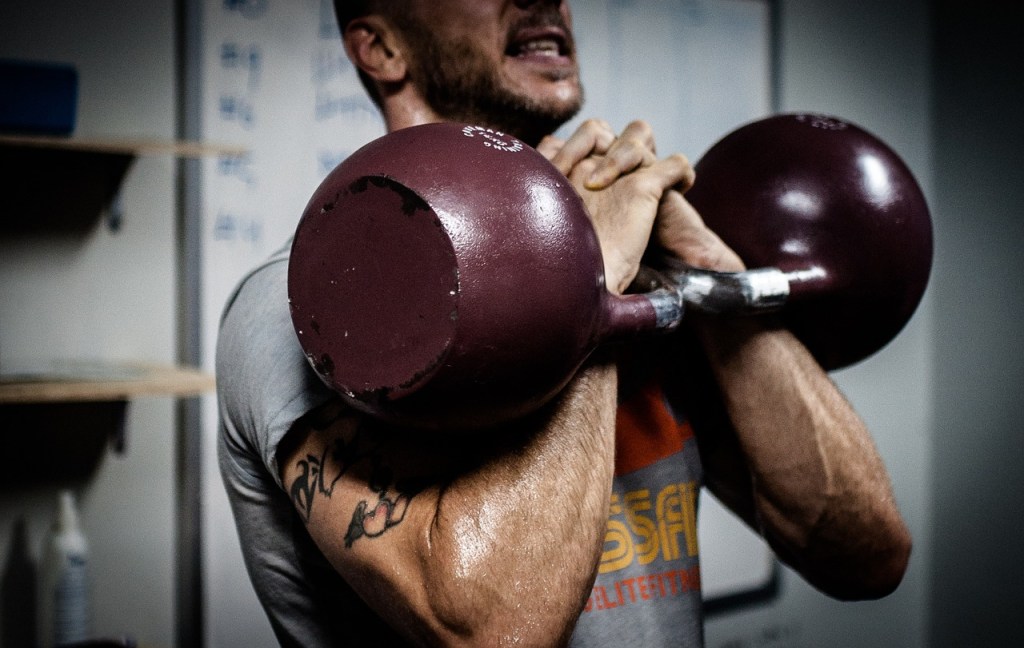
Regular kettlebell training can be highly beneficial for improving posture and spinal alignment. Many kettlebell exercises, such as deadlifts, rows, and Turkish get-ups, focus on strengthening the posterior chain – the muscles along the backside of your body.
These muscles, including the glutes, hamstrings, and erector spinae, are crucial for maintaining good posture. Strengthening these muscles helps in counteracting the effects of prolonged sitting and poor posture habits.
Improved posterior chain strength leads to better spinal alignment, reducing the risk of back pain and other posture-related issues. Additionally, the focus on full-body, functional movements in kettlebell training ensures that these muscles are engaged properly and strengthened in a balanced manner.
Joint Health and Mobility
Kettlebell workouts can have a significant positive impact on joint health and mobility. The fluid, swinging movements common in kettlebell exercises, such as the kettlebell swing or the Turkish get-up, require a full range of motion that helps in maintaining and improving joint flexibility and mobility.
This is particularly beneficial for the shoulders, hips, and spine, which are critical areas for mobility. Regular kettlebell training can help lubricate the joints, increase synovial fluid (which reduces friction in joints), and strengthen the surrounding muscles, thereby enhancing overall joint health. Moreover, improved joint mobility contributes to better movement efficiency and reduces the risk of injuries, especially in older adults.
Builds Explosive Power
Kettlebell training is particularly effective for building explosive power. The ballistic nature of exercises like kettlebell swings, cleans, and snatches develops fast-twitch muscle fibers, which are essential for explosive strength.
This kind of strength is crucial in many sports and physical activities, such as sprinting, jumping, and throwing.
By practicing rapid and intense movements with a kettlebell, athletes can enhance their ability to generate power quickly, improving overall athletic performance. Additionally, the functional movements involved in kettlebell training can help in translating this explosive power to real-world activities and sports-specific skills.

Safe for All Ages and Fitness Levels
Kettlebells are a versatile tool that, with proper instruction and form, can be safely used by individuals of all ages and fitness levels. Beginners can start with lighter weights and basic movements, gradually progressing as their strength and confidence increase. Safety tips for beginners.
For older adults or those with limited experience, kettlebell exercises can be modified to accommodate their capabilities, focusing on improving balance, flexibility, and muscle tone. It’s important for beginners to receive proper guidance on form and technique to maximize the benefits of kettlebell training and avoid injury.
Combines Strength and Endurance Training
Kettlebell exercises uniquely blend strength and endurance training. This dual benefit arises from the nature of kettlebell movements, which often require sustaining muscle contractions for extended periods, especially in exercises with high repetitions or longer duration sets.
For instance, a kettlebell circuit involving swings, goblet squats, and presses can build muscle strength while simultaneously challenging cardiovascular endurance.
This combination makes kettlebell training extremely efficient, as it addresses multiple aspects of fitness in a single workout. It’s particularly beneficial for those looking to improve overall fitness, lose weight, or enhance athletic performance.
Mental Engagement
Kettlebell training isn’t just a physical challenge; it requires significant mental engagement as well. The coordination required to execute kettlebell exercises correctly, such as in a complex movement like the Turkish get-up, demands focus and body awareness.
This mental engagement is beneficial for improving concentration, coordination, and the mind-muscle connection. Regular practice can lead to better neuromuscular control, meaning your brain’s ability to efficiently coordinate movement improves.
Additionally, the concentration required for kettlebell training can provide a mental break from everyday stressors, offering a form of mindfulness or meditative practice. This aspect of kettlebell training makes it a holistic workout, beneficial for both the body and the mind.
Conclusion
Kettlebell training stands out as a highly effective and versatile form of weight training, offering benefits that extend beyond the capabilities of traditional dumbbells, barbells, and weight machines.
Its ability to combine strength training with cardiovascular fitness, improve functional strength, and offer a wide range of movements makes kettlebells a valuable asset for anyone’s fitness routine. The adaptability of kettlebells to various fitness levels and the comprehensive nature of the exercises make them ideal for a holistic approach to physical well-being.
Whether for professional athletes or fitness enthusiasts, kettlebells provide an efficient, space-saving, and enjoyable means to achieve diverse fitness goals, making them a superior choice in the realm of weight training. Learn how to use dumbbells for effective triceps growth.
 Exercise Addicts
Leave a comment