
If you’re just starting out your journey in the world of strength training, something you might not know how to do is track your progress. How to track your progress is what we’ll teach you today.
To track your progress when strength training, some common methods include logging your workouts, tracking strength gains, taking body measurements, examining performance metrics, taking visual records monitoring your nutritional intake, and many more.
Keep reading to find out exactly how to track your progress during your strength training journey.
- Logging Workouts
- Tracking Strength Gains
- Body Measurements
- Performance Metrics
- Visual Records
- Technique and Form Check
- Recovery Metrics
- Nutritional Intake Monitoring
- Mental and Emotional Health
- Use of Technology and Apps
- Comparative Analysis
- Goal Setting and Review
- Flexibility and Mobility Assessments
- Consistency Tracking
- Community and Social Feedback
- Periodic Health Checkups
- Professional Assessments
- Tracking Strength Training Progress: Final Thoughts
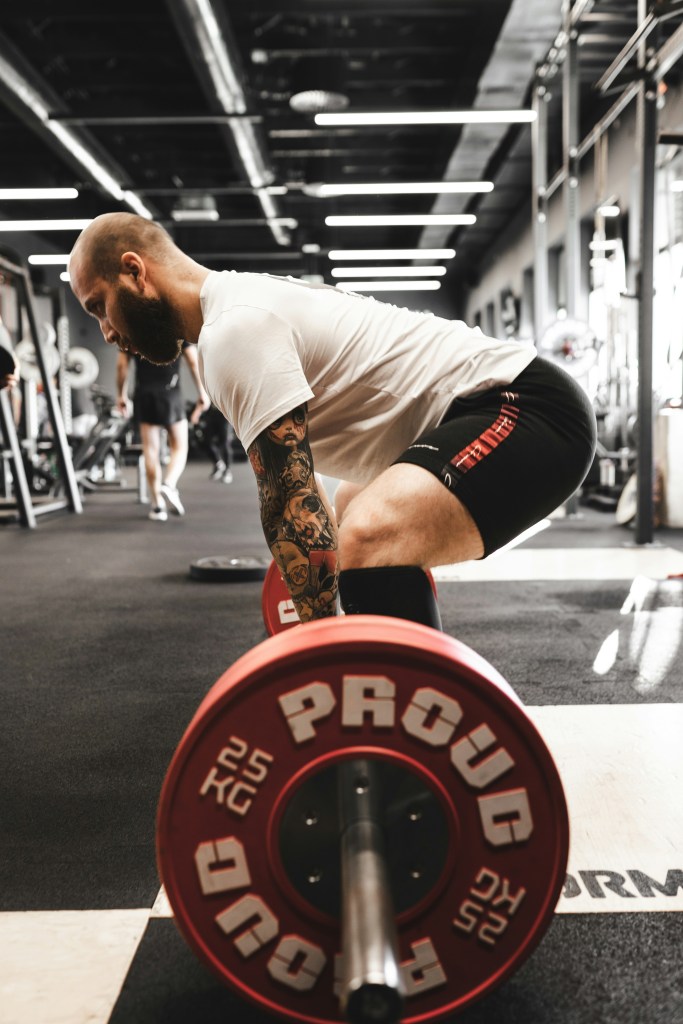
Logging Workouts
Keeping a detailed log of your workouts is fundamental. This involves writing down each exercise, the number of sets and reps, and the weight lifted. Such a log not only helps in tracking your progress over time but also in planning future workouts. Additionally, it’s helpful to record subjective measures like how energetic or fatigued you felt, which can provide insights into recovery needs and overall workout intensity. Build your biceps with these dumbbell exercises.
Tracking Strength Gains
One of the most direct ways to measure progress in strength training is by tracking strength gains. This includes monitoring increases in the weights lifted, the number of reps, and sets over time. Periodically testing your one-rep max (1RM) is a common method to gauge maximal strength. Alternatively, repeated effort tests, like seeing how many reps you can perform with a given weight, can also provide valuable insights into your strength improvements.
Body Measurements
Taking regular body measurements is a key method for tracking changes in muscle size and body composition. Measuring the circumference of different body parts, like arms, chest, and waist, can give you a tangible sense of growth or fat loss. For a more detailed analysis of body composition, methods like DEXA scans, bioelectrical impedance, and skinfold measurements can be used to track changes in muscle mass and body fat percentages. Shred your core with these kettlebell workouts.
Performance Metrics
Beyond just lifting weights, tracking improvements in performance metrics such as speed, power, and endurance can be invaluable. For those focused on functional strength, measuring improvements in sprint times or jump heights can be indicative of gains. Similarly, for those emphasizing muscular endurance, tracking performance in longer-duration exercises can be beneficial.

Visual Records
Maintaining visual records like progress photos and videos is a powerful way to see changes over time. Regular progress photos, taken under consistent lighting and poses, offer a visual timeline of your physical transformation. Video recordings are equally important, especially for analyzing and improving exercise techniques.
Technique and Form Check
Regularly assessing your technique and form is crucial for effective strength training. Self-assessment and getting feedback from a coach or a trainer can help in identifying and correcting form issues. This not only enhances the effectiveness of your workouts but also reduces the risk of injury.
Recovery Metrics
Monitoring recovery metrics like resting heart rate and sleep quality can provide insights into how well your body is coping with training stress. A lowered resting heart rate over time can indicate improved cardiovascular fitness, while tracking sleep quality and duration can ensure you’re getting adequate rest for muscle recovery and growth.
Nutritional Intake Monitoring
Keeping a food diary and tracking your macro intake (proteins, carbs, fats) ensures that your diet supports your strength training goals. Adequate nutrition is essential for muscle growth, recovery, and overall performance in the gym. Find out what the best protein sources for muscle growth are.
Mental and Emotional Health
Your mental and emotional state can significantly impact your physical performance. Regularly checking in on your mood and stress levels, and making adjustments to your training or lifestyle as needed, can be just as important as physical metrics in achieving long-term success in strength training.

Use of Technology and Apps
Leveraging technology like fitness trackers, smartwatches, and strength training apps can simplify the process of tracking workouts, heart rate, and other fitness metrics. These tools often provide a user-friendly interface for monitoring and analyzing your training progress.
Comparative Analysis
Repeating benchmark workouts periodically is an effective way to directly compare your performance over time. While individual progress is paramount, occasionally comparing your performance with peers can offer additional motivation and provide a broader context for your improvements.
Goal Setting and Review
Setting specific, measurable, achievable, relevant, and time-bound (SMART) goals is crucial in strength training. Regularly reviewing these goals and your progress towards them helps in maintaining focus and making necessary adjustments to your training plan.
Flexibility and Mobility Assessments
Regular range of motion tests to track your flexibility and joint mobility are important for overall health and injury prevention. Improvements in these areas can enhance your ability to perform exercises correctly and efficiently.
Consistency Tracking
Monitoring the frequency of your workouts is key to ensuring consistent progress. Regularity in training is one of the most important factors in achieving long-term strength gains.

Community and Social Feedback
Engaging with online fitness communities or gym peers can provide valuable feedback, support, and motivation. Sharing progress and challenges with others who have similar goals can be a powerful tool in maintaining accountability and motivation.
Periodic Health Checkups
Regular health checkups ensure that your training is not adversely affecting your overall health. These checkups can provide peace of mind and identify any health issues that might impact your training.
Professional Assessments
Working with a personal trainer or a fitness professional for periodic assessments can offer a professional perspective on your progress. They can provide tailored advice and adjustments to your training regimen, ensuring optimal results.
Tracking Strength Training Progress: Final Thoughts
tracking progress in strength training is a multifaceted process that goes beyond simply noting the increase in weights lifted. The methods discussed in “How to Track Progress When Strength Training” provide a holistic approach to understanding and measuring your fitness journey.
Regularly employing these techniques ensures not only the effectiveness of your workouts but also helps in maintaining motivation and setting realistic goals. Whether it’s through detailed workout logs, body measurements, or professional assessments, each method plays a crucial role in giving you a comprehensive view of your progress. Remember, consistent and mindful tracking is the key to unlocking your full potential in strength training.
 Exercise Addicts
Leave a comment