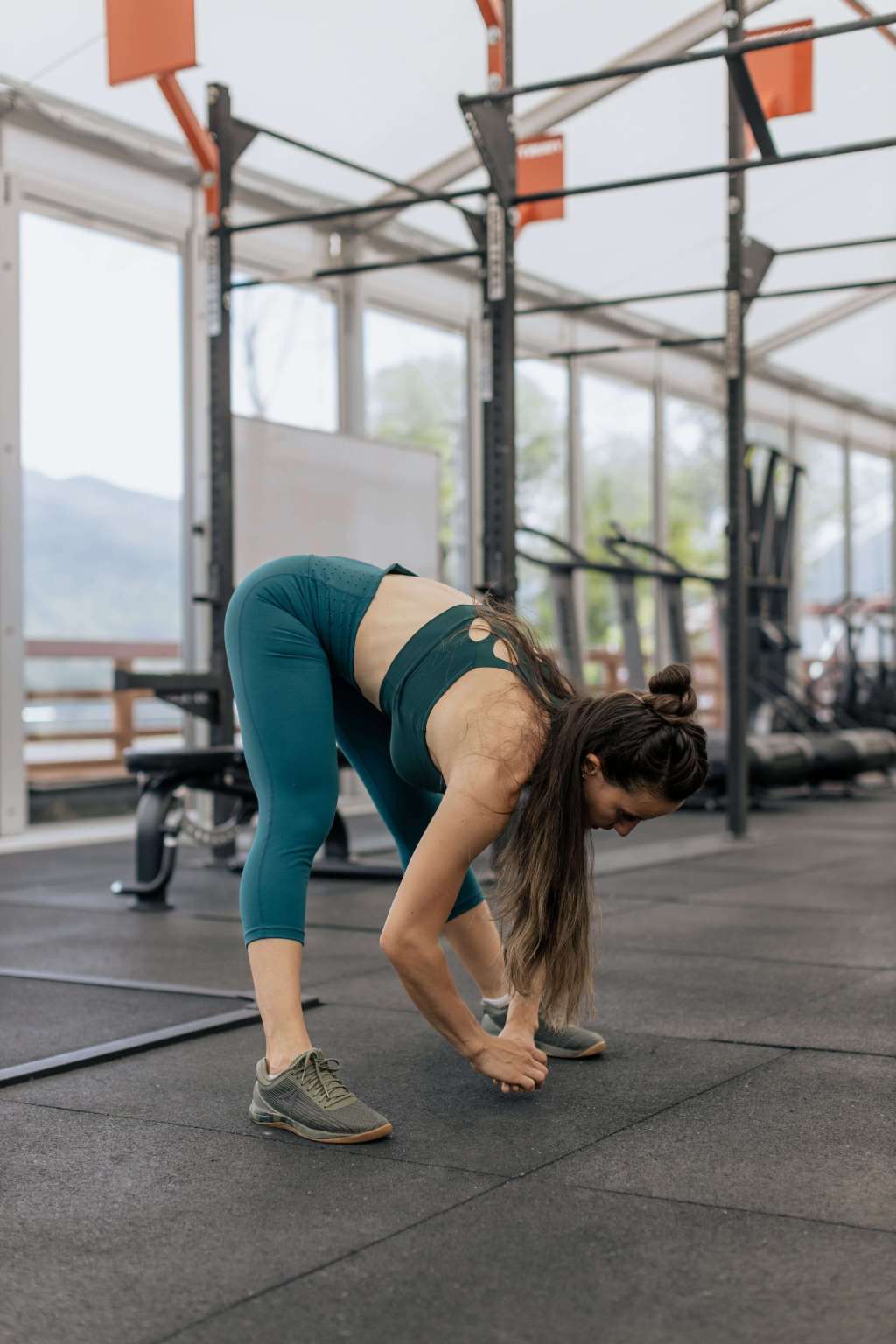
Something that we all learn along the way is that weight training without stretching is not a good idea. It results in injuries, plain and simple.
Some of the best stretches for strength training are those that target the upper body, the lower body, the back, core, and the hips and glutes.
Keep reading to learn all about the best stretches that will help get you warmed up for your next weight lifting routine.
- The Importance of Stretching Before Weight Training
- The Best Stretches for Strength Training
- Risks of Not Stretching and Warming Up
- Final Thoughts on Stretching Before Weightlifting
The Importance of Stretching Before Weight Training
Some people might think that stretching is a waste of time, but those who lift on a daily basis know just how important it really is.
Enhances Muscle Flexibility and Joint Range of Motion
Stretching before weight training is crucial for enhancing muscle flexibility and increasing the joints’ range of motion. This flexibility allows for greater movement during exercises, ensuring that you can perform lifts with proper form and technique. Improved range of motion also contributes to more effective muscle engagement and strength gains.

Reduces the Risk of Injury
One of the primary benefits of pre-workout stretching is the significant reduction in the risk of injury. Stretching warms up the muscles, making them more pliable and less prone to tears or strains. It prepares the body for the mechanical stress of weight lifting by gradually increasing the heart rate and circulation, ensuring that muscles are adequately oxygenated.
Improves Performance
Stretching before lifting weights can lead to improved performance in the gym. Flexible muscles have a greater capacity for power and efficiency, allowing for increased strength and endurance during your workout. Additionally, stretching can help reduce muscle stiffness and soreness, contributing to a quicker recovery and the ability to train more frequently.
Promotes Blood Circulation
Improved blood circulation is another key benefit of stretching. Enhanced circulation delivers more nutrients and oxygen to the muscles, which is vital for muscle repair and growth. This not only aids in the immediate performance but also supports long-term muscle development and health, and helps speed up recovery too.
The Best Stretches for Strength Training
Here we have a list of the very best stretches that you can do to help you warm up for your next weight training routine. We’ve conveniently divided these stretches up according to body parts and muscle groups.
Incorporating specific stretches into your pre-workout routine can significantly enhance your strength training regimen by warming up the muscles, increasing flexibility, and reducing the risk of injury.
These stretches target various muscle groups, ensuring that your body is fully prepared for the demands of strength training. Here’s an in-depth look at some essential stretches for both the upper and lower body, as well as the core, back, hips, and glutes.
Upper Body Stretches
Let’s go over some stretches to help loosen up that upper body.
Shoulder Stretch
Stretching the shoulders is crucial before engaging in any upper body strength training, particularly exercises like overhead presses and push-ups. The shoulder stretch helps to loosen the deltoids, reducing the risk of injury and improving range of motion for more effective workouts. This is a great stretch before you start doing dumbbell presses and other shoulder-building exercises.
To perform this stretch, stand straight or sit on a bench and bring your right arm across your body. Use your left hand to press your right arm closer to your chest, stretching the shoulder. Maintain this position for 15-30 seconds before switching arms. Keeping your shoulders down and relaxed away from your ears during this stretch is essential. Avoid overstretching or pulling too hard to prevent straining your shoulder.
Triceps Stretch
The triceps stretch is essential for preparing the arms for exercises that involve pushing movements, such as bench presses and tricep dips. Properly stretching the triceps helps prevent muscle tightness and increases the flexibility needed for a full range of motion during strength training.
Raise one arm overhead, bend your elbow to reach down towards your back, and gently press on the bent elbow with your other hand for a deeper stretch. Hold this position for 15-30 seconds before switching arms. Ensure your spine remains neutral and avoid pushing your head forward.
Lower Body Stretches
Use these stretches to loosen up your legs!
Quadriceps Stretch
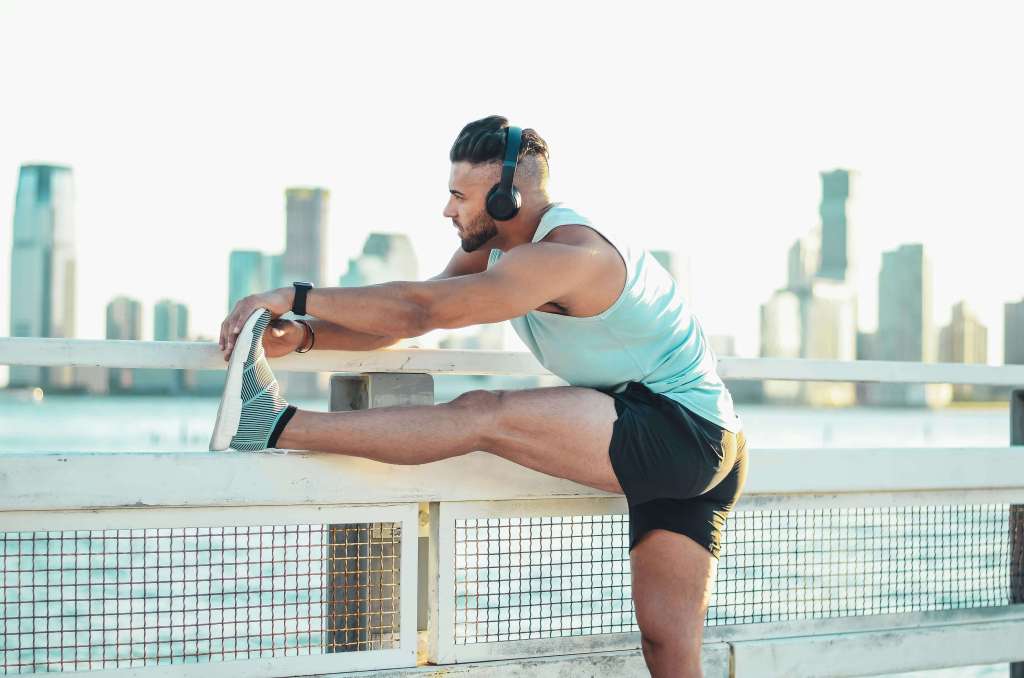
The quadriceps are pivotal in lower body exercises like squats and lunges. Stretching them beforehand can prevent strains and improve performance.
Perform the quadriceps stretch by standing on one leg, bending the other knee, and pulling your heel towards your buttocks. Hold onto a wall or chair for balance and avoid bending at the waist or twisting your knee.
Hamstring Stretch
Hamstring flexibility is essential for a range of strength training exercises, including deadlifts and leg curls.
To stretch your hamstrings, sit on the ground with your legs extended in front of you, bend one leg, and lean forward from your hips over the extended leg. Keeping your back straight and focusing on hinging from the hips will provide a deep stretch without straining the spine.
Core and Back Stretches
Here is a great warmup designed to stretch out your core and back.
Cat-Cow Stretch
The Cat-Cow stretch is invaluable for enhancing spine flexibility, crucial for all strength training exercises. It warms up the spine, abdominals, and back muscles, promoting mobility and reducing the risk of back pain.
Begin on all fours in a tabletop position, alternate between arching your back downwards and rounding it towards the ceiling, moving smoothly between positions.
Hip and Glute Stretches
Here are some warmup exercises designed to stretch out your hips and glutes.
Piriformis Stretch
The piriformis and glutes play a significant role in lower body exercises and overall stability during strength training.
The piriformis stretch, performed by sitting on a chair and crossing one leg over the other, helps improve hip mobility and prevents discomfort during exercises like squats and deadlifts. Gently lean forward while keeping your back straight and avoid rounding the back or pressing too hard on the knee.
Incorporating these stretches into your pre-workout routine ensures your muscles are properly warmed up, increasing flexibility and reducing the risk of injury. It’s crucial to perform each stretch gently and within your comfort level, focusing on breathing and maintaining proper form throughout.
Risks of Not Stretching and Warming Up
There are some pretty big risks associated with not stretching and warming up before exercise, so what are they?
- Increased Risk of Injury: Skipping stretching can lead to cold, stiff muscles, making them more susceptible to strains, sprains, and tears.
- Decreased Performance: Without the increased flexibility and range of motion that stretching provides, your ability to perform exercises with proper form and efficiency may be compromised.
- Reduced Blood Flow: Failing to stretch can result in reduced blood circulation to muscles, limiting the oxygen and nutrients needed for muscle function and recovery.
- Higher Incidence of Post-Workout Soreness: Without the preparatory increase in muscle temperature from stretching, you’re more likely to experience delayed onset muscle soreness (DOMS) after your workout.
- Limited Flexibility and Joint Range of Motion: Over time, neglecting to stretch can lead to decreased flexibility and a reduced range of motion in joints, potentially affecting daily activities and overall quality of life.
Final Thoughts on Stretching Before Weightlifting
Stretching before weight training is indispensable for anyone looking to enhance their fitness regimen safely and effectively. It not only prepares the body for the demands of weight lifting but also plays a crucial role in injury prevention, performance improvement, and long-term muscle health. Ignoring this vital step can lead to unnecessary risks and setbacks in your training progress. Stretching is just one of the many tips that all beginner weightlifters should follow!
 Exercise Addicts
Leave a comment