
In the world of strength training, the importance of stretching is often overshadowed by the emphasis on lifting heavy weights. However, neglecting this crucial aspect can lead to severe injuries and hinder performance.
Stretching properly before engaging in any strength training activity is essential for preparing the muscles and joints for the intense demands of lifting.
Unfortunately, many individuals either skip stretching altogether or do it incorrectly, increasing their risk of strains, sprains, and muscle imbalances. This article delves into the myriad benefits of proper stretching in strength training, highlighting why it should be an integral part of every fitness regimen.
- The Various Benefits of Stretching for Strength Training
- Improves Flexibility
- Enhances Muscle Recovery
- Reduces Risk of Injury
- Increases Strength
- Improves Posture
- Enhances Coordination
- Reduces Muscle Soreness
- Increases Blood Flow
- Enhances Performance
- Relieves Stress
- Improves Body Awareness
- Promotes Mental Relaxation
- Decreases Back Pain
- Prepares the Body for Exercise
- Improves Functional Movement
- Enhances Joint Health
- Boosts Energy Levels
- Improves Balance
- Reduces Muscular Tension
- Aids in Better Sleep
- Enhances Mind-Muscle Connection
- Promotes Longevity of Training Career
- Supports Healthy Digestion
- Increases Nutrient Supply to Muscles
- Helps in Better Muscle Tone
- Reduces the Risk of Age-Related Stiffness
- The Best Stretches for Strength Training
- Neck and Shoulders
- Chest
- Back
- Arms (Biceps and Triceps)
- Forearms and Wrists
- Core (Abs and Obliques)
- Lower Back
- Glutes
- Quadriceps
- Hamstrings
- Calves
- Hip Flexors
- Tips for Effective Stretching for Strength Training
- Warm-Up Before Stretching
- Incorporate Dynamic Stretching Pre-Workout
- Use Static Stretching Post-Workout
- Focus on Technique and Form
- Listen to Your Body
- Consistency is Key
- Stretching Benefits for Strength Training – Final Thoughts

The Various Benefits of Stretching for Strength Training
Let’s take a look at all of the benefits that you can reap from proper stretching and warming up before strength training.
Improves Flexibility
Engaging in regular stretching significantly enhances joint range of motion, crucial for optimal performance in strength training.
This increase in flexibility not only allows for a greater variety of movements during exercise but also ensures that these movements are performed more effectively and safely.
By enabling muscles to stretch further without discomfort, it directly contributes to improved exercise techniques and outcomes.
Enhances Muscle Recovery
Post-workout stretching is a vital component for muscle recovery, as it boosts blood circulation to the exercised muscles.
This increased blood flow accelerates the transportation of essential nutrients needed for muscle repair and growth, while simultaneously facilitating the removal of metabolic waste products accumulated during intense workouts.
This process not only speeds up muscle recovery but also minimizes the feelings of post-exercise soreness and stiffness. Learn more ways to speed up muscle recovery.
Reduces Risk of Injury
Consistent stretching effectively improves flexibility and joint range of motion, which are critical in reducing the risk of injuries during strength training.
When muscles are more pliable and joints move more freely, the body is better equipped to handle the stresses of varied strength exercises.
This preparation is particularly important in strength training, where muscles and joints are often pushed to their limits, making them susceptible to strains and sprains. Always be safe in the gym!
Increases Strength
Incorporating stretching into a fitness routine can surprisingly contribute to increased muscular strength.
By lengthening muscle fibers, stretching can enhance the muscle’s ability to contract more effectively during strength exercises.
This increased muscle length not only allows for a greater range of motion but also potentially increases the power and efficiency of muscle contractions, leading to improved strength and performance in resistance training.

Improves Posture
Regular stretching of the back, chest, and shoulder muscles plays a significant role in achieving and maintaining proper posture. It helps in correcting muscle imbalances and realigning body posture, which is often compromised by daily activities and prolonged sitting.
Better posture not only reduces the risk of musculoskeletal pain and injuries but also improves body alignment, which is essential for performing strength training exercises effectively and safely.
Enhances Coordination
By practicing regular stretching, there’s a notable improvement in neuromuscular coordination. This enhancement means that the communication between your nervous system and muscles becomes more efficient and synchronized.
Improved coordination is crucial for executing strength training exercises with better precision and control, leading to more effective workouts and reduced risk of injury due to improper form.
Reduces Muscle Soreness
Engaging in stretching exercises after intense strength training sessions is a key strategy in alleviating muscle stiffness and soreness. Less muscle soreness means being able to meet your workout goals faster!
Stretching helps to elongate the muscle fibers, promoting relaxation and reducing the buildup of lactic acid, which is often associated with muscle fatigue and soreness. This practice not only aids in quicker recovery but also prepares the muscles for future workouts. Keep in mind that overtraining may increase muscle soreness!
Increases Blood Flow
Stretching exercises play a vital role in enhancing blood circulation throughout the body. This increased blood flow means that more oxygen and nutrients are delivered to the muscles and organs, which is essential for muscle repair and overall health.
Better circulation also helps in the efficient removal of waste products from muscle tissue, contributing to faster recovery and reduced muscle soreness.
Enhances Performance
Regular stretching leads to improved flexibility and a greater range of motion, which are key components in enhancing performance in strength training.
With increased flexibility, you can perform exercises with a fuller range of movement, allowing for more effective muscle activation and development. This can lead to stronger, more efficient workouts and better overall training results.

Relieves Stress
Stretching serves as a relaxing and therapeutic activity that helps in releasing muscle tension and reducing stress levels. The calming effect of stretching, particularly in a focused and mindful manner, can significantly lower stress hormones in the body.
This relaxation response not only benefits physical health by relaxing tight muscles but also contributes to mental well-being, making it easier to manage stress and maintain focus during workouts and in daily life.
Improves Body Awareness
Regular stretching cultivates an enhanced awareness of your body, often referred to as proprioception.
This heightened sense enables you to better understand your body’s position and movement in space, crucial for maintaining balance and coordination during strength training.
Improved body awareness helps in executing exercises with proper form and technique, reducing the risk of injury and increasing the effectiveness of your workouts. Find out what factors to consider in your strength training plan.
Promotes Mental Relaxation
Stretching has a notable calming effect, which extends beyond physical relaxation to mental tranquility.
This process of gentle, focused stretching can significantly lower stress levels, promoting mental clarity and relaxation.
This mental calmness is not only beneficial for general well-being but also helps in reducing the risk of injuries that can occur due to tension and lack of concentration during workouts.
Decreases Back Pain
Engaging in stretching exercises that target the muscles of the lower back, hips, and hamstrings is extremely effective in alleviating and preventing back pain. These stretches help in relieving tension in these areas, correcting imbalances, and improving overall flexibility.
Regular practice can lead to significant reductions in chronic back pain, contributing to better posture, reduced discomfort, and an increased ability to perform strength training exercises without pain.
Prepares the Body for Exercise
Incorporating dynamic stretching into your pre-workout routine is essential for effectively preparing your muscles for the physical demands of strength training.
These active movements help to increase muscle temperature, enhance blood flow, and improve joint mobility, ensuring that your body is adequately warmed up.
This preparation not only helps in preventing injuries but also improves overall workout performance by allowing muscles to work more efficiently.

Improves Functional Movement
Stretching plays a crucial role in enhancing functional movements that are integral to daily activities.
By increasing flexibility and range of motion, stretching makes routine tasks easier and less prone to injury. This improvement in functional mobility is particularly beneficial in preventing strains and sprains that can occur during everyday movements like bending, lifting, and twisting.
Enhances Joint Health
Regular stretching is vital for maintaining the health and functionality of joints. It improves joint range of motion, lubricates the joints, and reduces the risk of joint degeneration and related discomforts.
Healthy joints are essential not just for movement but also for sustaining the demands of various physical activities, including strength training, without pain or restriction.
Boosts Energy Levels
Engaging in stretching exercises can significantly invigorate the body, leading to an increase in overall energy levels.
This boost is particularly beneficial before workouts, as it helps in waking up the body and preparing the mind for physical activity.
The increased blood flow and oxygenation to the muscles during stretching contribute to this energized feeling, making it a great start to any strength training session.
Improves Balance
Stretching regularly can greatly enhance flexibility, which is a key factor in improving balance. Better balance is crucial for many strength training exercises, as it helps in maintaining proper form and prevents falls and injuries.
Improved balance through stretching is not only beneficial in the gym but also in everyday life, where good balance is essential for activities like walking, climbing stairs, and carrying objects.

Reduces Muscular Tension
Regular stretching is an effective way to relieve muscular tension, which often accumulates after intense strength training or prolonged periods of inactivity.
This relaxation of muscles not only alleviates discomfort but also improves overall muscle function.
By reducing tension, stretching can help prevent muscle imbalances, improve posture, and enhance the effectiveness of strength training exercises.
Aids in Better Sleep
The relaxing effects of stretching play a significant role in enhancing sleep quality. Engaging in a gentle stretching routine before bed can help calm the mind, relax the body, and release physical tension.
This relaxation can lead to a deeper, more restful sleep, which is crucial for muscle recovery, hormonal balance, and overall health. Better sleep also translates into improved energy and focus for daytime activities, including strength training sessions.
Enhances Mind-Muscle Connection
Stretching can significantly enhance the mind-muscle connection, an essential aspect of effective strength training. This improved connection helps in consciously engaging and isolating specific muscles during workouts, leading to more focused and efficient exercises.
Such heightened awareness not only aids in muscle development but also in preventing overuse of the wrong muscle groups, contributing to more targeted and effective training sessions.
Promotes Longevity of Training Career
Incorporating regular stretching into your regimen helps in reducing the risk of injuries and maintaining overall muscle health, both of which are crucial for prolonging your strength training career.
By keeping muscles flexible and joints healthy, stretching ensures that you can continue to train effectively and safely, thereby extending your ability to engage in strength training over the long term.
Supports Healthy Digestion
Certain stretching exercises, particularly those involving the abdominal area and core, can aid in improving digestive function.
These stretches help in massaging the internal organs, enhancing blood flow to the digestive tract, and facilitating the movement of food and waste through the system. Regular practice can contribute to a more efficient and comfortable digestive process.
Increases Nutrient Supply to Muscles
Improved blood flow resulting from regular stretching ensures better delivery of nutrients to the muscles. This enhanced nutrient supply is crucial for muscle growth, repair, and overall health. Adequate nutrients in the muscles lead to more effective workouts, faster recovery, and improved muscle growth and endurance.
Helps in Better Muscle Tone
Regular stretching contributes to improved muscle tone and appearance. By lengthening the muscle fibers and increasing blood flow, stretching not only enhances the shape and definition of muscles but also helps in maintaining muscle flexibility and strength. This leads to muscles that not only perform better but also have a more toned and defined appearance.
Reduces the Risk of Age-Related Stiffness
Engaging in a consistent stretching routine can be highly effective in combating age-related stiffness and loss of flexibility.
Stretching helps maintain the elasticity of the muscles and the mobility of the joints, which tend to diminish with age. This practice is key to preserving flexibility and ease of movement as you age, contributing to a higher quality of life and sustained physical activity.
The Best Stretches for Strength Training
Here’s a list of effective stretches targeting each major muscle group, which can be beneficial when incorporated into a strength training routine.
Neck and Shoulders
Neck Stretch: Gently tilt your head to one side, bringing your ear towards the shoulder until a stretch is felt on the opposite side of the neck. Repeat on the other side.
Shoulder Stretch: Extend one arm across your body, using the opposite hand to press the arm closer to your chest, stretching the shoulder.
Chest
Doorway Chest Stretch: Stand in a doorway with your arms on the door frame, elbows at shoulder height, and step forward until a stretch is felt in the chest and front of the shoulders.
Back
Child’s Pose: Kneel and sit back on your heels, then lean forward with your arms extended, resting your forehead on the floor to stretch the back muscles.
Arms (Biceps and Triceps)
Biceps Stretch: Extend your arms behind your back, clasp your hands and lift your arms gently to feel a stretch in the biceps.
Triceps Stretch: Raise one arm overhead, bend it at the elbow, and use the opposite hand to gently press the elbow, stretching the triceps. 4 Great Triceps Stretches.
Forearms and Wrists
Wrist Stretch: Extend one arm with the palm facing up and gently press down on the fingers with the opposite hand to stretch the forearm and wrist.
Core (Abs and Obliques)
Cobra Stretch: Lie face down and press your upper body up with your arms, keeping your hips on the ground to stretch the abdominal muscles.
Seated Side Stretch: Sit with your legs crossed and lean to one side, extending your arm overhead, to stretch the obliques.
Lower Back
Knees-to-Chest Stretch: Lie on your back and gently pull your knees towards your chest to stretch the lower back.
Glutes
Pigeon Pose: Start in a forward lunge and lower your back knee and leg to the ground, with the front leg bent in front of you, stretching the glutes.
Quadriceps
Standing Quad Stretch: Stand and pull one foot towards your glutes, holding the ankle, to stretch the quadriceps.
Hamstrings
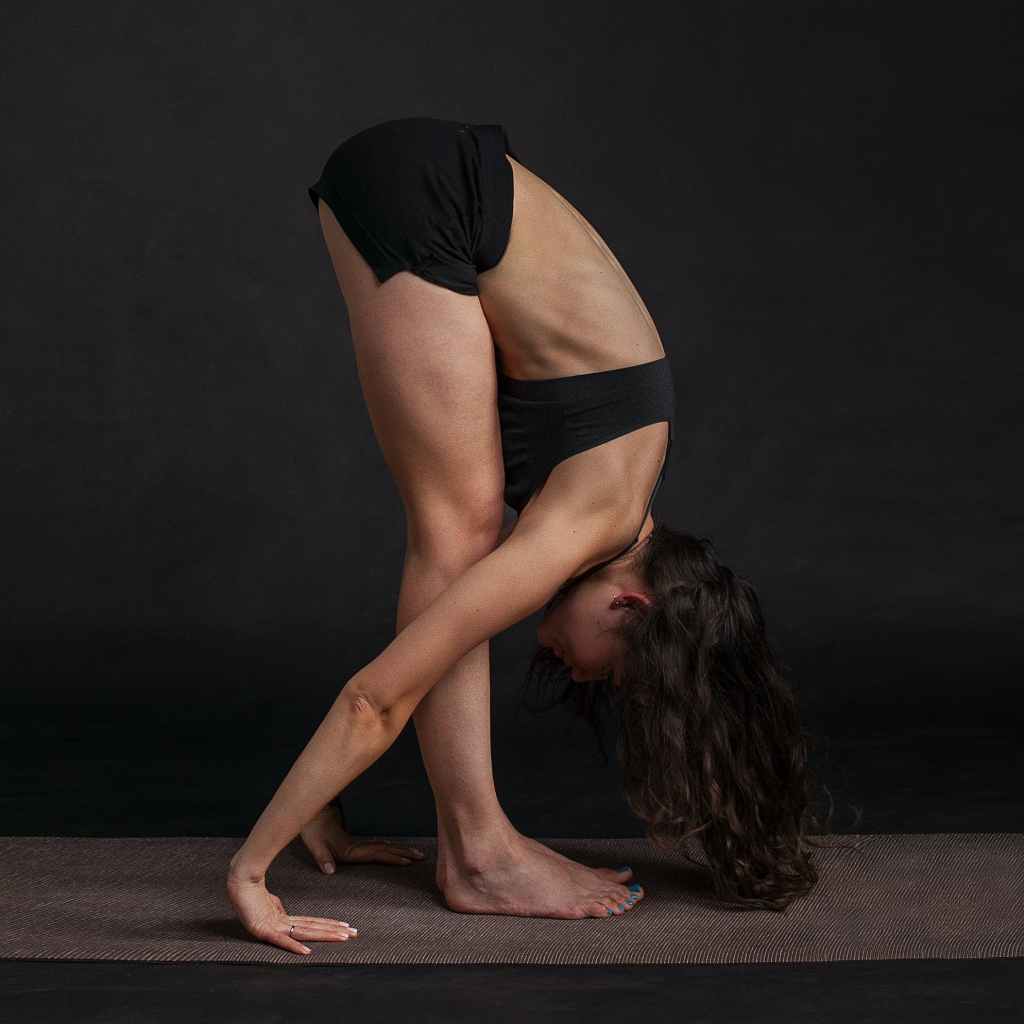
Standing Hamstring Stretch: Place one foot in front of you, toes up, and lean forward with a straight back to stretch the hamstring of the extended leg.
Calves
Calf Stretch Against Wall: Place your hands on a wall and extend one leg back, keeping the heel on the ground and the leg straight to stretch the calf.
Hip Flexors
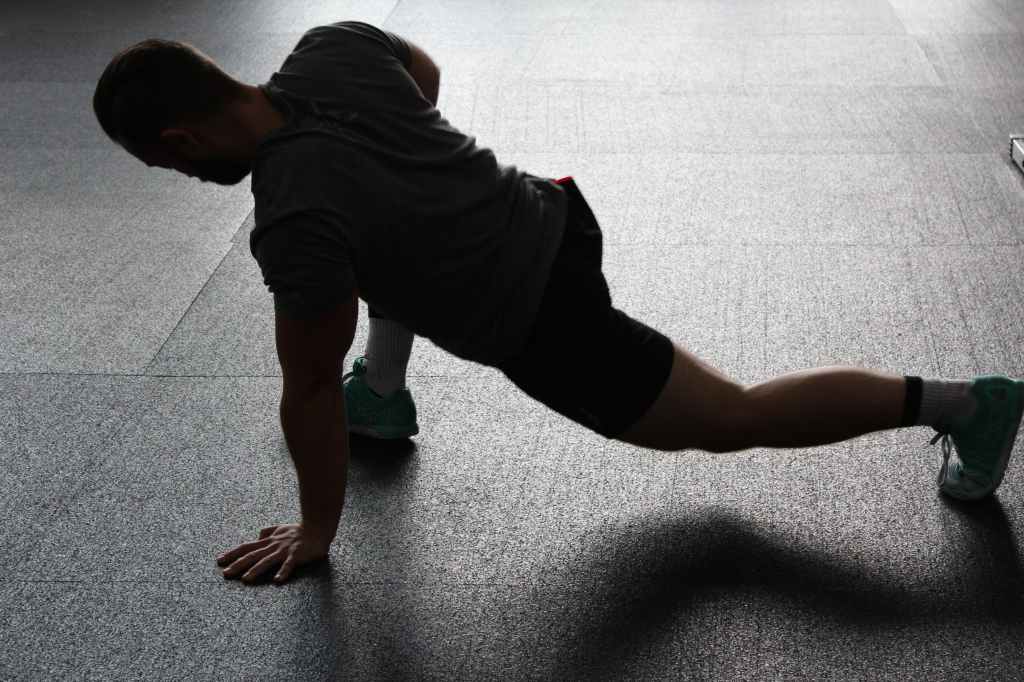
Lunge Hip Flexor Stretch: Step into a lunge position and sink forward, keeping the back leg straight, to stretch the hip flexors of the back leg.
Tips for Effective Stretching for Strength Training
Let’s go over a few tips that will make your stretching routines much easier, more effective, and more successful overall.
Warm-Up Before Stretching
It’s crucial to warm up your muscles before you stretch. A light jog, brisk walk, or any dynamic movement for 5-10 minutes increases blood flow and prepares your muscles. Warming up reduces the risk of injury and makes your muscles more pliable and responsive to stretching, leading to more effective and safer stretches.
Incorporate Dynamic Stretching Pre-Workout
Before starting strength training, engage in dynamic stretching. These are controlled, smooth movements like leg swings, arm circles, or torso twists. Dynamic stretches improve range of motion, activate the muscles you’ll use during your workout, and enhance overall performance. This type of stretching is more beneficial pre-workout as it prepares your body for the physical activity ahead.
Use Static Stretching Post-Workout
After your strength training session, focus on static stretching. This involves holding a stretch for 15-30 seconds in a relaxed, elongated position. Static stretching post-exercise helps in muscle recovery, reduces soreness, and increases flexibility. It’s a great way to cool down your body and gradually decrease heart rate.
Focus on Technique and Form
Pay attention to your technique and form while stretching. Proper technique ensures you’re effectively targeting the right muscle groups and getting the most out of your stretches. Avoid bouncing, which can cause injury, and ensure your movements are smooth and controlled. Remember to breathe normally during stretches to maximize effectiveness and oxygen flow to your muscles.
Listen to Your Body
Stretching should never cause pain. It’s important to listen to your body and recognize the difference between a beneficial stretch and one that’s causing discomfort or pain. Pushing a stretch too far can lead to muscle strains or damage. If you feel pain, ease back until you find a comfortable position. Regular stretching will gradually increase your flexibility, so don’t rush the process.
Consistency is Key
Like any aspect of fitness, consistency is crucial for effective stretching. Make it a regular part of your strength training routine. Consistent stretching over time will significantly improve your flexibility, range of motion, and overall muscle health. It also helps in better muscle recovery and reduces the likelihood of injuries.
Stretching Benefits for Strength Training – Final Thoughts
The journey through the benefits of stretching in strength training underscores a vital truth: stretching is not just an optional prelude to lifting weights; it’s a fundamental component of a safe and effective training regimen.
Proper stretching prepares the body for the rigors of strength training, enhances performance, and significantly reduces the risk of injury.
Unfortunately, the prevalence of inadequate or absent stretching routines is alarmingly high, often leading to avoidable injuries and setbacks. Embracing a comprehensive approach to stretching is imperative for anyone serious about strength training. It ensures not just immediate safety but also long-term health and fitness success. Remember that stretching should be a part of every strength training plan!
 Exercise Addicts
Leave a reply to Strength Training Tips for Beginners – Exercise Addicts Cancel reply