
Overtraining in strength training is a phenomenon that, while often overlooked, can have significant repercussions on an individual’s physical and mental well-being.
As the pursuit of fitness and strength gains becomes increasingly popular, it’s crucial to recognize the fine line between vigorous training and overexertion.
This article dives into the multifaceted problems associated with overtraining, ranging from physical injuries and hormonal imbalances to psychological stress and impaired performance.
Understanding these issues is not just about safeguarding health; it’s also about optimizing training efficiency and ensuring sustainable progress in strength training endeavors.
- What is Overtraining?
- The Problems That Arise When You Overtrain in Strength Training
- Muscle Fatigue and Soreness
- Increased Injury Risk
- Decreased Performance
- Mental Burnout
- Impaired Sleep
- Chronic Fatigue
- Weakened Immune System
- Hormonal Imbalances
- Mood Disturbances
- Poor Recovery
- Nutritional Deficiencies
- Heart Strain
- Decreased Immune Function
- Gastrointestinal Disturbances
- Hydration Imbalance
- Menstrual Irregularities
- Overuse of Specific Muscle Groups
- Decrease in Training Satisfaction
- Elevated Resting Heart Rate
- Weight Loss or Gain
- Compromised Bone Health
- Altered Metabolic Function
- Increased Restlessness or Lethargy
- Decreased Muscle Strength
- Joint Pain and Stiffness
- Reduced Concentration and Focus
- Altered Appetite
- Inflammation
- Impaired Coordination and Motor Skills
- Psychological Stress
- Disturbed Electrolyte Balance
- Reduction in Lean Body Mass
- Increased Resting Blood Pressure
- Impaired Athletic Performance
- Emotional Instability
- Longer Recovery Times Post-Injury
- Decreased Libido
- Aggravation of Pre-existing Conditions
- Social Withdrawal
- How to Avoid Overtraining in Strength Training
- Final Thoughts

What is Overtraining?
Overtraining in strength training occurs when the intensity and frequency of workouts exceed the body’s capacity for recovery. It’s not just about the amount of weight lifted or the number of hours spent in the gym; it’s the failure to balance exertion with adequate rest and nutrition.
When muscles are subjected to continuous, intense stress without sufficient time to repair and grow, the results can be counterproductive. Symptoms of overtraining can manifest physically as persistent fatigue, injuries, and decreased performance. Hormonal imbalances and nutritional deficiencies are also common.
Psychologically, it can lead to burnout, mood disturbances, and decreased motivation. This state not only impedes physical gains but can also lead to long-term health issues. Thus, overtraining in strength training is a complex issue that requires a holistic approach to training, emphasizing rest, nutrition, and listening to one’s body. Find out how to set realistic strength training goals right here!

The Problems That Arise When You Overtrain in Strength Training
There are dozens of problems that may arise if you constantly overtrain and lift too many weights too often.
Muscle Fatigue and Soreness
Excessive muscle soreness, lingering for days, is a sign that your muscles haven’t recovered. To combat this, focus on active recovery, such as light cardio, stretching, and foam rolling. Ensure you’re getting enough protein and sleep for muscle repair. If soreness persists, consider reducing the intensity or volume of your workouts.
Increased Injury Risk
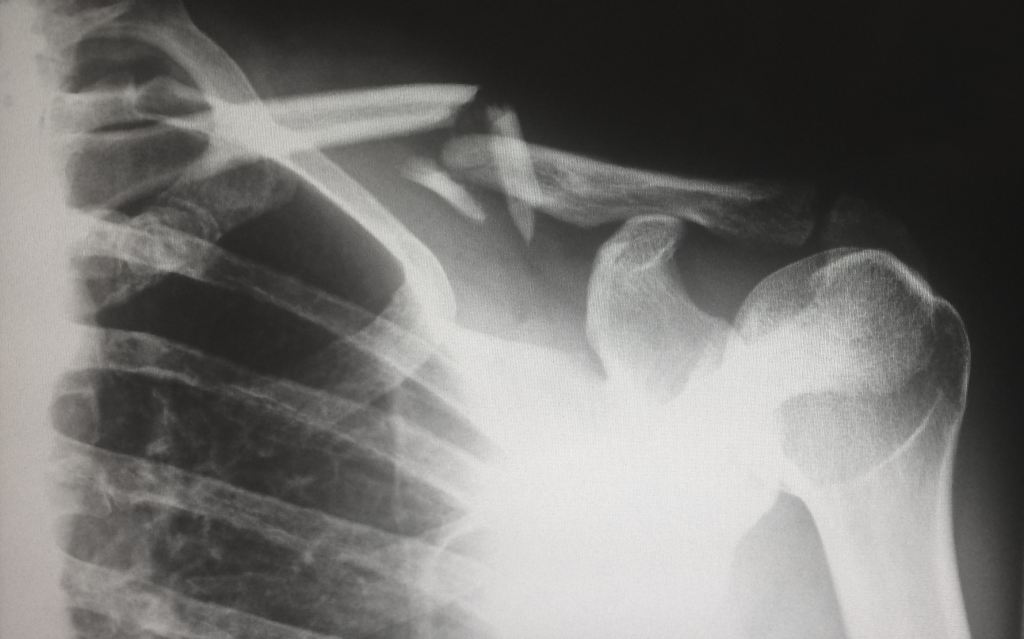
Overuse injuries result from repetitive strain without adequate recovery. To mitigate this, diversify your training routine to avoid overworking specific muscle groups. Incorporate rest days and low-impact activities like swimming or yoga. Strengthening supportive muscles and improving flexibility can also help reduce the risk of strains, sprains, and fractures. Tips on how to stay safe when strength training.
Decreased Performance
A plateau or decline in performance can be a sign of overtraining. To address this, reassess your training program for balance and sustainability. Incorporate periodization, where you vary the intensity and volume of workouts over time. Ensure proper nutrition, particularly adequate carbohydrate and protein intake, to fuel and recover from workouts.
Mental Burnout
Loss of enthusiasm for training can be countered by setting new, achievable goals and incorporating variety into your routine. Engage in activities you enjoy and consider cross-training to keep workouts interesting. Mindfulness practices and adequate rest are crucial. If burnout persists, a break or professional advice may be necessary.
Impaired Sleep
Elevated stress hormones can disrupt sleep. Establishing a regular sleep routine, reducing screen time before bed, and creating a comfortable sleep environment can help. Mindfulness techniques and avoiding heavy meals or caffeine late in the day can also improve sleep quality. If sleep issues persist, consult a healthcare provider.
Chronic Fatigue
Persistent tiredness not relieved by rest can significantly impact daily life. Address this by ensuring adequate caloric intake and a balanced diet to fuel your body. Prioritize rest days and consider activities like yoga or meditation for relaxation. If fatigue continues, it may be necessary to consult a healthcare professional for potential underlying issues.

Weakened Immune System
Overtraining can suppress your immune function, making you more prone to infections. To bolster your immune system, prioritize balanced nutrition rich in vitamins and antioxidants, ensure adequate sleep, and manage stress through relaxation techniques. Also, consider moderating your training intensity and duration.
Hormonal Imbalances
Disruptions in cortisol and testosterone levels can affect your mood and health. To balance hormones, incorporate rest days and sleep adequately. Mind-body practices like yoga and meditation can help regulate stress hormones. Consult a healthcare professional if hormonal imbalances persist, as they might suggest underlying issues.
Mood Disturbances
Increased irritability or mood swings can result from overtraining. To combat this, ensure a balanced training routine with sufficient rest. Engaging in social activities and hobbies outside of training can provide mental relief. If mood disturbances continue, consider professional counseling or psychological support.
Poor Recovery
If recovery post-exercise is slow, it might be due to overtraining. Enhance recovery by ensuring adequate sleep, hydration, and nutrition, particularly focusing on proteins and carbohydrates post-workout. Active recovery methods, such as light exercise or stretching, can also be beneficial. Listen to your body and reduce training intensity if needed.
Nutritional Deficiencies
Increased physical activity raises the demand for essential nutrients. Ensure a diet rich in vitamins, minerals, and sufficient calories to support your training. Consider foods high in iron, calcium, and omega-3 fatty acids. A multivitamin supplement might be helpful, but it’s best to consult a dietitian or nutritionist. Remember to get lots of protein in your system.
Heart Strain
Excessive exercise can strain the heart, especially in those with pre-existing conditions. Monitor your heart rate during training and incorporate low-intensity workouts to balance high-intensity sessions. Regular medical check-ups are essential, and seeking medical advice is crucial if you experience any heart-related symptoms.

Decreased Immune Function
Overtraining can weaken your immune system, increasing your risk of infections. To counteract this, focus on a nutrient-rich diet, adequate hydration, and sufficient sleep. Regular moderate exercise, rather than intense training, can boost immunity. Avoiding extreme fatigue and managing stress effectively are also key strategies.
Gastrointestinal Disturbances
Intense training can cause gastrointestinal issues like nausea or appetite loss. To alleviate this, avoid eating large meals right before intense workouts and opt for easily digestible foods. Stay hydrated and manage stress, as it can exacerbate GI symptoms. If problems persist, consult a healthcare provider.
Hydration Imbalance
Overtraining can lead to dehydration or, in rare cases, hyponatremia (low sodium levels). It’s crucial to drink fluids regularly, especially during and after workouts. Balance water intake with electrolyte-rich drinks, particularly during long or intense training sessions, to maintain electrolyte balance.
Menstrual Irregularities
Intense exercise can disrupt menstrual cycles, a condition known as exercise-induced amenorrhea. To address this, ensure adequate calorie intake, particularly focusing on essential fats and carbohydrates. Reducing training intensity and incorporating rest days can help. If menstrual irregularities persist, seek medical advice to rule out underlying health issues.
Overuse of Specific Muscle Groups
Focusing excessively on certain muscles can cause imbalance and pain. To prevent this, ensure a well-rounded workout routine that targets all muscle groups evenly. Incorporating cross-training and flexibility exercises like yoga can also help maintain muscle balance and prevent chronic pain.
Decrease in Training Satisfaction
If training becomes a chore, it’s important to reassess your goals and routine. Introduce variety, set new challenges, or engage in group activities for motivation. Remember, taking breaks and enjoying other hobbies can rejuvenate your interest in training. Your mindset matters!
Elevated Resting Heart Rate
A persistently high resting heart rate may signal cardiovascular stress. Monitoring heart rate regularly can help gauge recovery needs. Incorporating stress-reducing activities like meditation, ensuring adequate sleep, and possibly reducing training intensity are crucial steps in managing this symptom.
Weight Loss or Gain
Unexplained weight changes can be a result of overtraining. To manage this, focus on a balanced diet that matches your energy expenditure. Pay attention to your body’s hunger signals and consult a nutritionist if weight fluctuations become significant or persistent.
Compromised Bone Health
Overtraining, especially without adequate nutrition, can weaken bones. Ensuring a diet rich in calcium and vitamin D, along with weight-bearing exercises, can help maintain bone health. Women should be particularly mindful of bone density and seek medical advice if they have concerns.

Altered Metabolic Function
Disruptions in metabolism due to overtraining can affect energy and weight. To combat this, ensure a diet rich in nutrients and adequately balanced for your level of activity. Regular, moderate exercise, rather than extreme workouts, can also help maintain metabolic balance.
Increased Restlessness or Lethargy
These symptoms can indicate an imbalance in energy regulation. Practicing good sleep hygiene, managing stress, and balancing intense workouts with restorative activities like walking or leisurely cycling can help. If these feelings persist, consider reducing workout intensity and duration.
Decreased Muscle Strength
When muscles don’t recover adequately, they can weaken instead of strengthening. To prevent this, ensure proper rest periods between workouts and prioritize sleep. Also, include a balanced diet with sufficient protein for muscle repair. If weakness persists, consider reducing workout intensity and volume.
Joint Pain and Stiffness
Chronic joint pain and stiffness from overtraining can be mitigated by incorporating low-impact exercises, like swimming or cycling, and regular stretching or yoga. Ensure proper warm-up and cool-down routines, and consider using joint support supplements like omega-3 fatty acids. If pain persists, consult a healthcare professional.
Reduced Concentration and Focus
Overtraining can lead to mental fatigue, affecting your focus. To combat this, balance your exercise routine with activities that are mentally stimulating and relaxing. Ensure adequate sleep and consider mindfulness or meditation to improve cognitive function. Regular breaks during work or study can also help maintain concentration.
Altered Appetite
Changes in appetite can be a sign of overtraining. To manage this, eat regular, balanced meals and listen to your body’s hunger cues. If appetite changes significantly, consider consulting a nutritionist to ensure you’re meeting your nutritional needs. Staying hydrated and managing stress can also help regulate appetite.
Inflammation
Persistent inflammation can lead to health problems. Anti-inflammatory foods like turmeric, ginger, omega-3 rich foods, and plenty of fruits and vegetables can help. Adequate rest and recovery, along with managing exercise intensity, are also important. If inflammation continues, medical advice may be necessary.

Impaired Coordination and Motor Skills
Overtraining can affect coordination and motor skills. To improve these, include coordination exercises in your routine, like balance training or agility drills. Ensure adequate recovery time, and if coordination issues persist, reduce the intensity of workouts. Regularly engaging in activities that challenge coordination can also be beneficial.
Psychological Stress
High stress and anxiety levels can negatively impact mental health. To manage this, incorporate stress-reducing activities like yoga, meditation, or deep breathing exercises. Regular social interaction and pursuing hobbies can also help alleviate stress. If symptoms persist, consider seeking professional counseling or therapy.
Disturbed Electrolyte Balance
Electrolyte imbalances can affect muscle function and hydration. To maintain balance, consume electrolyte-rich foods and beverages, especially after intense workouts. Include fruits like bananas and oranges, and consider electrolyte supplements if engaging in prolonged exercise. Stay hydrated but avoid excessive water intake without electrolytes.
Reduction in Lean Body Mass
Overtraining can lead to muscle breakdown. To prevent this, ensure your workout regimen includes adequate rest and recovery periods. Consume sufficient protein to support muscle repair and growth, and consider reducing the intensity or frequency of high-impact workouts.
Increased Resting Blood Pressure
Elevated resting blood pressure can be a sign of cardiovascular strain. Regular monitoring is important. To manage, incorporate relaxing activities like walking or light cycling, and practice stress management techniques. Maintaining a healthy diet and seeking medical advice if high blood pressure persists is also crucial.
Impaired Athletic Performance
A decline in performance might indicate the need for more rest. Reevaluate your training schedule to include adequate recovery time. Cross-training and periodization can prevent overuse and maintain interest. Consult with a coach or trainer to ensure your training program is well-balanced.
Emotional Instability
Heightened emotions or mood swings can result from the stress of overtraining. To manage these, incorporate stress-reduction techniques like meditation or deep breathing. Regular social interactions and engaging in activities you enjoy can also help stabilize mood. If mood swings are severe or persistent, consider seeking professional help.
Best Dumbbell Exercises for Biceps!

Longer Recovery Times Post-Injury
Overtraining can impair the body’s ability to heal from injuries. To facilitate recovery, focus on rest and proper nutrition, particularly foods rich in protein and essential nutrients. Gentle movement and physical therapy can aid recovery, but avoid rushing back into intense training.
Decreased Libido
A reduction in sexual drive may be linked to hormonal imbalances due to overtraining. Balancing exercise with adequate rest and relaxation can help. Ensuring a nutritious diet and managing stress effectively are also key. If libido does not improve, consulting a healthcare provider is advisable.
Aggravation of Pre-existing Conditions
Overtraining can worsen existing health issues related to the heart, joints, or muscles. It’s important to tailor your exercise program to accommodate these conditions. Regular check-ups with a healthcare provider are crucial to monitor any changes in your condition and adjust your training accordingly.
Social Withdrawal
The fatigue and mental health effects of overtraining can lead to social withdrawal. Counteract this by consciously making time for social activities and maintaining connections with friends and family. Engaging in group exercises or hobbies can also help. If social withdrawal persists, consider speaking with a mental health professional.
How to Avoid Overtraining in Strength Training
Let’s go over some important tips so you can avoid overtraining when embarking on your strength training journey.
- Follow a Balanced Training Plan: Develop a well-rounded workout routine that targets different muscle groups on different days. Avoid excessive focus on one area.
- Incorporate Rest Days: Regular rest days are crucial for muscle recovery. Plan at least one or two rest days per week.
- Monitor Training Intensity and Volume: Avoid consistently high-intensity or high-volume workouts. Use periodization, varying the intensity and volume of your workouts over weeks or months.
- Prioritize Sleep: Aim for 7-9 hours of quality sleep per night. Sleep is crucial for recovery and hormone regulation.
- Listen to Your Body: Pay attention to signs of fatigue, soreness, or pain. Adjust your training if you feel excessively tired or sore.
- Stay Hydrated: Proper hydration is essential for muscle function and recovery. Drink water throughout the day, especially before, during, and after workouts.
- Maintain Proper Nutrition: Consume a balanced diet that includes adequate protein, carbohydrates, fats, vitamins, and minerals to support your training.
- Avoid Training the Same Muscle Groups Consecutively: Allow at least 48 hours before targeting the same muscle group again to ensure proper recovery.
- Include Active Recovery: Incorporate light activities like walking, yoga, or swimming on rest days to promote circulation and aid in recovery.
- Manage Stress: High stress levels can impede recovery. Practice stress management techniques like meditation, deep breathing, or leisure activities.
- Warm-Up and Cool-Down Properly: Start each workout with a warm-up and end with a cool-down to prepare your muscles and prevent injury.
- Use Correct Technique: Incorrect form can lead to overuse injuries. If unsure, seek advice from a qualified trainer.
- Periodically Assess Your Progress: Regularly evaluate your training progress and adjust your plan as needed. Avoid pushing through plateaus with excessive training.
- Supplement Wisely: Consider supplements like omega-3s, vitamins, and minerals if your diet lacks certain nutrients, but consult a healthcare provider or nutritionist first.
- Seek Professional Guidance: If you’re unsure about your training program, consult with a fitness professional to develop a plan that suits your goals and fitness level.
- Avoid Over-Reliance on Stimulants: Relying heavily on stimulants like caffeine can mask fatigue, leading to overtraining. Use them sparingly.
- Balance Strength Training with Other Forms of Exercise: Incorporate cardiovascular and flexibility training into your routine for overall fitness and to prevent muscle imbalances.
- Take a Complete Break Occasionally: Every few months, consider taking a week off from structured training to fully recover and prevent burnout.
Factors to Consider When Creating a Strength Training Plan
Final Thoughts
The problems associated with overtraining in strength training are multifaceted and impact more than just physical health. They seep into mental well-being, overall quality of life, and the ability to sustainably progress in strength training.
This article underscores the importance of a balanced approach to training, where rest and recovery are given as much priority as the workouts themselves.
It also highlights the need for awareness about the signs of overtraining, encouraging individuals to listen to their bodies and seek professional guidance when needed. Ultimately, understanding and preventing overtraining is essential not only for achieving fitness goals but also for maintaining long-term health and well-being.
 Exercise Addicts
Leave a reply to Strength Training Tips for Beginners – Exercise Addicts Cancel reply