
In the quest for building lean muscle, one macronutrient stands out as a cornerstone: protein. Essential for muscle repair and growth, protein is the building block of every fitness enthusiast’s diet. The importance of protein in strength training cannot be overstated – it fuels the muscle-building process, aids recovery, and helps maintain lean muscle mass.
However, with an overwhelming array of dietary choices, identifying the best protein sources can be a challenge. In this article, titled “Top 15 Sources of Protein to Build Lean Muscle,” we delve into the most effective protein-rich foods that are crucial for anyone looking to enhance their strength training regimen. Our goal is to guide you through a variety of protein sources, ensuring that your dietary choices support your muscle-building objectives effectively.
- How Does Protein Build Muscle?
- How Much Protein Do You Need for Muscle Growth?
- When is the Best Time to Eat Protein for Strength Training?
- Top 15 Sources of Protein to Build Lean Muscle
- Final Thoughts

How Does Protein Build Muscle?
Protein plays a crucial role in building muscle, primarily through the process of muscle protein synthesis, recovery, and adaptation following strength training. Let’s break down this complex process into detailed, understandable components:
Role of Protein in the Body
- Building Blocks: Proteins are made up of amino acids, which are the building blocks of muscle tissue. These amino acids are needed to repair and build muscle fibers, like those in your core after a hardcore kettlebell workout!
- Enzymes and Hormones: Proteins are also critical in the formation of enzymes and hormones that play a key role in various bodily functions, including muscle growth and repair.
Learn how protein builds muscle with this in-depth guide.
Muscle Protein Synthesis (MPS)
- MPS Explained: Muscle Protein Synthesis is the process of building muscle protein, essentially repairing and rebuilding muscle fibers damaged during strength training.
- Triggered by Exercise: Resistance training increases the rate of MPS, creating a favorable environment for muscle growth.
- Amino Acids’ Role: Essential amino acids, particularly leucine, play a pivotal role in initiating MPS. This is why consuming high-quality protein, which contains all essential amino acids, is crucial.
Muscle Recovery and Growth
- Repairing Damage: During strength training, muscles undergo microscopic damage. Protein aids in repairing this damage by replacing damaged fibers with new muscle protein strands (myofibrils).
- Hypertrophy: These new myofibrils increase in thickness and number in a process called hypertrophy, leading to muscle growth.
- Balance Between MPS and Muscle Protein Breakdown (MPB): Muscle growth occurs when the rate of MPS exceeds the rate of muscle protein breakdown (MPB). Adequate protein intake is essential to maintain this balance favoring muscle growth. Protein is a vital part of any strength training plan!
Protein Sources and Timing
- High-Quality Protein: Sources rich in essential amino acids, such as whey protein, eggs, meat, and soy products, are particularly effective for muscle building.
- Timing: Consuming protein soon after exercise can enhance MPS, providing the building blocks for muscle repair and growth. Regular protein intake throughout the day also supports sustained MPS.
Other Factors Influencing Muscle Growth
- Caloric Intake: Muscle growth requires energy, so adequate caloric intake is also important.
- Hormones: Hormones like testosterone, growth hormone, and insulin-like growth factors also play a role in muscle growth and are influenced by protein and nutrient intake.
- Rest and Recovery: Adequate rest is crucial as muscle growth occurs during recovery, not just during exercise.
Beyond Muscle Growth
- Prevention of Muscle Loss: In older adults or during periods of inactivity (like injury recovery), protein helps prevent muscle loss, maintaining muscle mass and function.
How Much Protein Do You Need for Muscle Growth?
For individuals engaged in heavy strength training routines, the amount of protein required for optimal muscle growth is typically higher than the average dietary recommendations. Research suggests that to effectively support muscle repair, recovery, and growth, individuals should aim for a protein intake ranging from 1.6 to 2.2 grams per kilogram of body weight per day. This increased intake is crucial because intense strength training significantly elevates muscle protein synthesis and repair needs.
For example, a person weighing 70 kilograms (about 154 pounds) would require between 112 to 154 grams of protein daily. It’s important to note that exceeding 2.2 grams per kilogram doesn’t necessarily translate to further muscle gains and may place unnecessary strain on the kidneys over time.

Quality of protein is equally important, with a focus on complete proteins that provide all essential amino acids, such as lean meats, fish, eggs, dairy products, and for those on plant-based diets, a combination of various protein sources to ensure a complete amino acid profile.
Additionally, distributing protein intake evenly throughout the day, rather than consuming it in one large amount, can be more effective for ongoing muscle synthesis, aligning protein intake with the body’s constant process of muscle repair and growth post-strength training.
When is the Best Time to Eat Protein for Strength Training?
The timing of protein intake can play a significant role in optimizing strength training results. Protein is essential for muscle repair, growth, and overall recovery. Here’s a detailed look at the best times to consume protein for strength training, along with actionable information:
Pre-Workout (1-2 Hours Before Training)
- Purpose: Fueling muscles, preventing muscle breakdown during exercise.
- Recommendation: A moderate amount of protein combined with carbohydrates. This could be a smoothie with protein powder and fruit, a yogurt with granola, or a small chicken and vegetable wrap.
- Actionable Tip: Choose easily digestible forms of protein and carbs to avoid stomach discomfort during training.
Best Dumbbell Biceps Workouts.
Immediately Post-Workout (Within 30 Minutes to 1 Hour)
- Purpose: Muscle repair and growth, replenishing energy stores.
- Recommendation: High-quality protein, preferably with a fast absorption rate. Whey protein shakes, chicken breast, or a milk-based drink are excellent choices.
- Actionable Tip: Combine protein with carbohydrates to replenish glycogen stores. For example, a protein shake with a banana, or a turkey sandwich on whole-grain bread.
Meals Throughout the Day
- Purpose: Maintaining a steady supply of amino acids for continuous muscle repair and growth.
- Recommendation: Include a protein source in every meal. Aim for a variety of sources such as eggs, dairy, lean meats, fish, legumes, and nuts.
- Actionable Tip: Spread your protein intake evenly across meals. Aim for at least 20-30 grams of protein per meal.
Before Bed (30 Minutes to 1 Hour Before Sleep)
- Purpose: Supporting muscle recovery and growth during sleep.
- Recommendation: Slow-digesting protein like casein, found in cottage cheese or a casein protein shake.
- Actionable Tip: Combine with a small amount of healthy fats, like almond butter, to slow digestion and provide a steady amino acid release overnight.
On Rest Days
- Purpose: Continued muscle recovery and maintenance.
- Recommendation: Maintain regular protein intake as on training days, but adjust total calorie intake if necessary.
- Actionable Tip: Focus on whole food sources of protein like meats, fish, legumes, and dairy, and ensure balanced nutrition with fruits, vegetables, and whole grains.
General Guidelines
- Quantity: Aim for a daily protein intake of around 1.6 to 2.2 grams per kilogram of body weight, depending on the intensity and frequency of your training.
- Quality: Prioritize complete proteins (containing all essential amino acids), especially for vegetarians and vegans who might need to combine different protein sources.
- Hydration: Ensure adequate fluid intake, as protein metabolism requires more water than fats or carbs.
Top 15 Sources of Protein to Build Lean Muscle
Let’s take a look at the top 15 sources of protein that will help you build lean muscle after weight training in the gym.
Chicken Breast
Chicken Breast is an excellent source of lean protein, providing about 31 grams per 100 grams, with minimal carbohydrates and a low fat content of around 3.6 grams. Ideal for consumption post-workout or as part of a main meal, chicken breast is incredibly versatile. It can be enjoyed grilled, baked, stir-fried, or even added to salads for a nutritious meal. Due to its high protein and low fat content, it’s a popular choice among those engaged in strength training, aiding in muscle repair and growth.
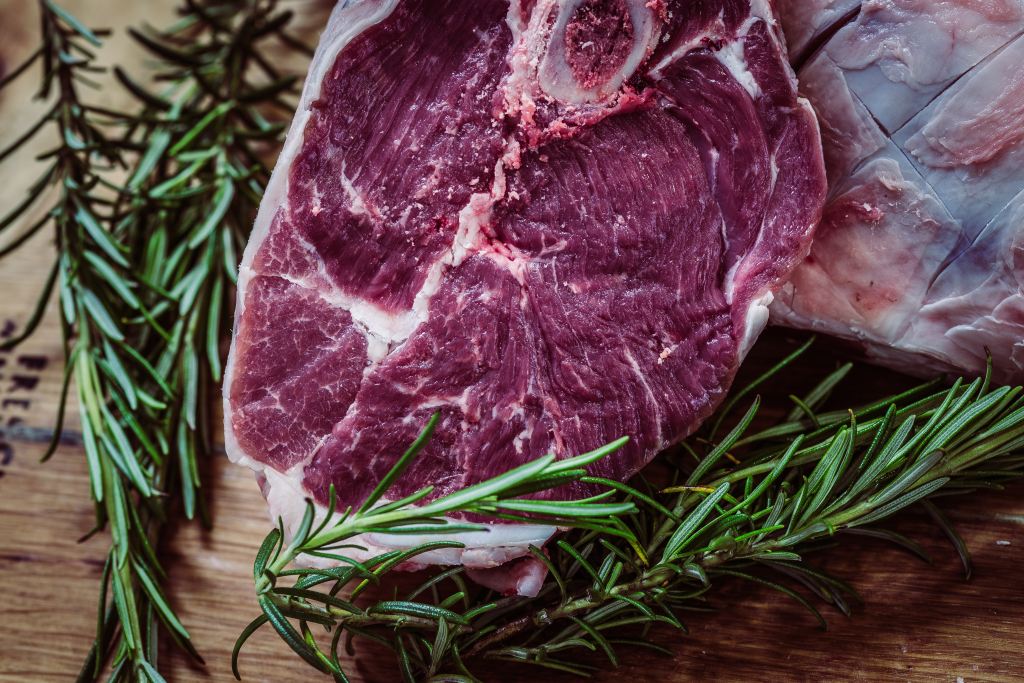
Lean Beef
Lean Beef offers a substantial protein boost with approximately 26 grams per 100 grams, alongside negligible carbs and about 15 grams of fat, particularly in leaner cuts. It’s best consumed as part of main meals or post-workout to aid muscle recovery. Lean beef can be prepared in various ways including grilled, roasted, stir-fried, or as part of hearty stews. Its rich iron content also makes it beneficial for overall health and stamina, which is crucial for those involved in rigorous strength training.
Tuna
Tuna (Canned in Water) is a convenient and rich protein source, providing about 23 grams of protein per 100 grams, with almost no carbs and only 1 gram of fat. It’s an ideal snack or a great addition to meals, particularly for those with a busy lifestyle. Tuna can be mixed with light mayo, added to salads, or used in sandwiches, offering a healthy, protein-rich meal option that supports muscle maintenance and growth.

Eggs
Eggs are a nutritional powerhouse, with a whole egg offering around 13 grams of protein, 1 gram of carbohydrates, and 11 grams of fat. They are perfect for breakfast, as a pre-workout snack, or even as a quick snack, providing essential amino acids needed for muscle recovery. Eggs can be prepared in various ways, such as boiled, scrambled, in omelets, or poached, making them a versatile and convenient protein source for strength trainers.
Greek Yogurt
Greek Yogurt is a fantastic source of protein, especially for those who prefer dairy-based proteins, offering about 10 grams of protein per 100 grams, low in carbohydrates (4 grams), and very low in fat (0.4 grams for non-fat varieties). It is an excellent snack or post-workout food. Greek yogurt can be consumed plain, mixed with fruits, or used in smoothies. Its probiotic content also supports digestive health, which is essential for overall wellness.
Cottage Cheese
Cottage Cheese provides around 11 grams of protein per 100 grams, along with 3 grams of carbs and 4 grams of fats. It is a great snack, breakfast option, or even a pre-bedtime meal, given its casein protein content that aids in muscle repair during sleep. Cottage cheese can be enjoyed plain, with fruits, or in salads, offering a delightful texture and taste while contributing significantly to protein intake.
Salmon
Salmon is not only rich in protein, offering about 20 grams per 100 grams, but also provides healthy fats (13 grams), particularly omega-3 fatty acids, with no carbs. It is best consumed during main meals. Salmon can be prepared in various ways, such as grilled, baked, smoked, or even used in sushi, making it a delicious and heart-healthy protein choice for strength trainers.
Quinoa
Quinoa stands out as a plant-based protein source, providing 4.4 grams of protein per 100 grams, alongside 21 grams of carbs and 1.9 grams of fats. It is ideal for main meals or as a pre-workout carb source. Quinoa can be used as a side dish, in salads, or in soups, offering a nutritious alternative to traditional grains, and is particularly beneficial for vegetarians and vegans.
Lentils
Lentils are another excellent plant-based protein option, with about 9 grams of protein, 20 grams of carbs, and a low fat content of 0.4 grams per 100 grams. They are best suited for main meals. Lentils can be used in soups, stews, or as a side dish, providing a hearty and filling addition to any meal, while also offering fiber and essential minerals.

Tofu
Tofu is a staple in vegetarian and vegan diets, offering around 8 grams of protein, 1.9 grams of carbs, and 4.8 grams of fats per 100 grams. It is versatile for main meals and can be prepared in numerous ways, such as stir-fried, grilled, used in curries, or added to soups. Tofu is not only a great protein source but also provides important phytonutrients.
Tempeh
Tempeh offers a substantial 19 grams of protein per 100 grams, with 9 grams of carbs and 11 grams of fats, making it a hearty plant-based protein choice. Ideal for main meals, tempeh can be baked, sautéed, or added to salads. Its fermentation process makes it easier to digest and enriches it with beneficial probiotics.
Black Beans
Black Beans are an excellent source of plant-based protein, providing around 9 grams of protein, along with 24 grams of carbs and a minimal 0.5 grams of fat per 100 grams. They are perfect for main meals, especially in vegetarian diets. Black beans can be included in salads, soups, or served as a side dish, offering a combination of protein, fiber, and essential nutrients.
Almonds
Almonds are a nutrient-dense snack, offering 21 grams of protein, 22 grams of carbs, and a high fat content of 49 grams per 100 grams. They are best consumed as a snack or added to meals for extra crunch and nutrients. Almonds can be eaten raw, roasted, or as almond butter, providing a healthy source of fat, fiber, and protein.

Whey Protein
Whey Protein Powder is highly popular among athletes, providing approximately 80 grams of protein (depending on the brand), along with 5 grams of carbs and 3 grams of fats per 100 grams. It is ideal post-workout or as a snack to aid in muscle recovery and growth. Whey protein can be used in shakes, smoothies, or mixed with oatmeal, offering a convenient and efficient way to increase protein intake.

Soy Milk
Soy Milk is a great dairy-free protein option, containing about 3.3 grams of protein, 6 grams of carbs, and 1.8 grams of fat per 100 grams. It can be consumed with meals or used in protein shakes. Soy milk can be drunk plain, used in smoothies, or added to cereals, providing a versatile and easily digestible protein source, especially suitable for vegans and those with lactose intolerance.
Final Thoughts
Understanding and incorporating the top 15 sources of protein into your diet is pivotal for anyone serious about building lean muscle and excelling in strength training. Protein is more than just a nutrient; it’s a vital component of a muscle-builder’s arsenal. Remember, nutrition is also a big part of maintaining a positive mindest for strength training.
Whether you’re a seasoned athlete or just embarking on your fitness journey, the role of high-quality protein sources cannot be overlooked. Strength Training Tips for Beginners.
By choosing the right kinds of protein, you can significantly impact your muscle growth, recovery, and overall athletic performance. Remember, while protein is key, a balanced approach to nutrition, coupled with consistent training and recovery, is the ultimate recipe for achieving and maintaining robust, lean muscle mass.
 Exercise Addicts
Leave a reply to Factors to Consider When Creating a Strength Training Plan – Exercise Addicts Cancel reply